
Ledger® Live: Desktop® — Getting Started | official Ledger™
Use Ledger Live Desktop for a focused workspace to manage crypto accounts and follow portfolio activity.
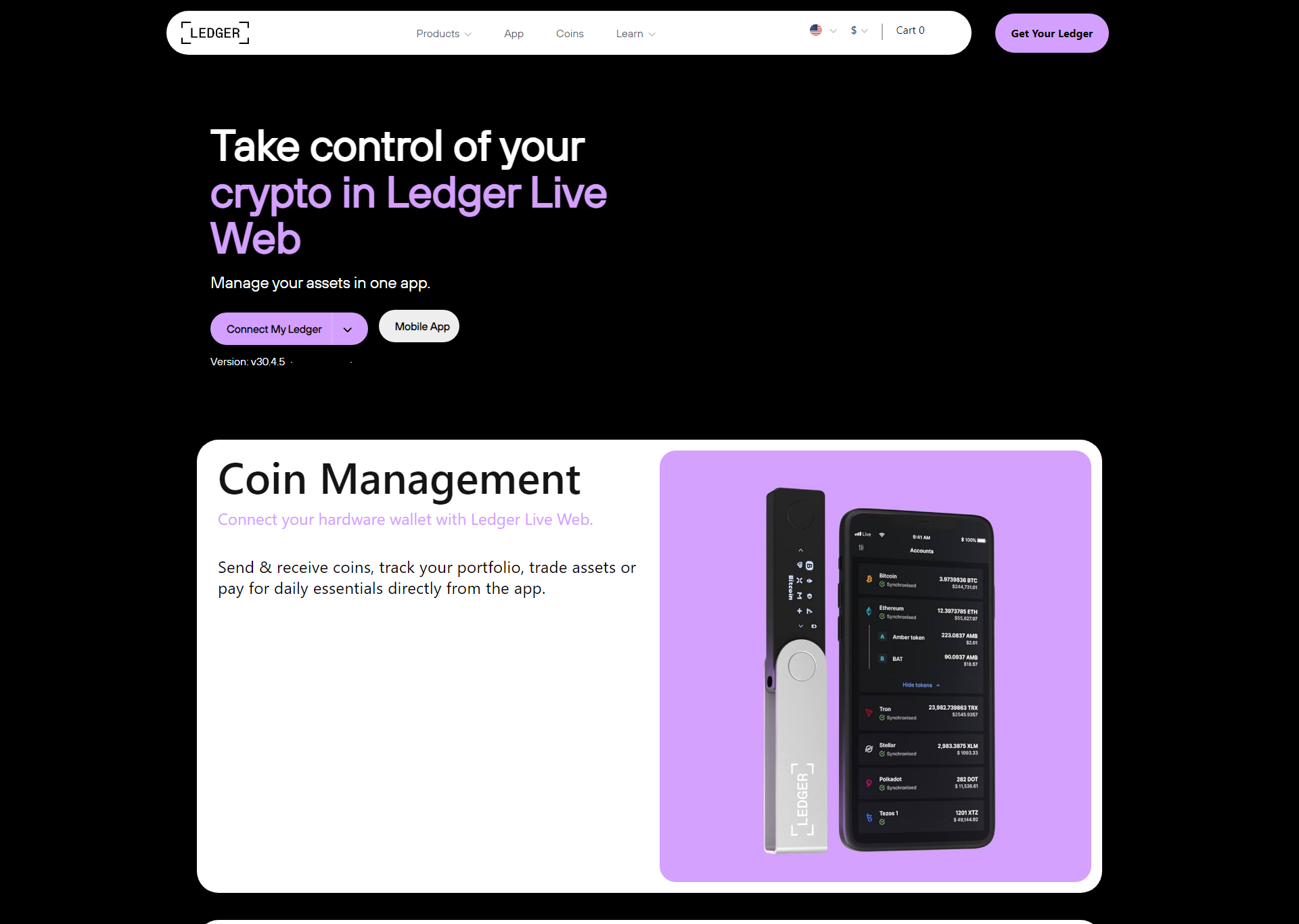
Ledger Live Desktop: A Clearer Way to Manage Your Crypto Accounts
Keeping track of cryptocurrency accounts can become difficult when information is spread across different services. Ledger Live Desktop provides a centralized desktop interface for working with supported digital assets and compatible Ledger hardware wallets. With the right security habits, it can become part of a more organized approach to everyday crypto management.
Bringing Crypto Management to the Desktop
A desktop environment provides a larger workspace for reviewing account information, monitoring transactions, and handling supported wallet activities. Ledger Live Desktop is designed to work alongside compatible Ledger hardware devices rather than replacing them.
The software provides the interface for managing supported accounts, while the hardware wallet remains an important component for sensitive authorization and transaction confirmation.
Start With a Trusted Installation
Before using any wallet application, verify where the software comes from. Avoid downloading cryptocurrency applications from unofficial websites, unknown file repositories, pop-up advertisements, or links sent through unexpected messages.
Using trusted software is an important first step because a fake application may attempt to collect confidential wallet information.
Key Benefits of Ledger Live Desktop
Convenient Account Monitoring
Users can review supported cryptocurrency accounts and related activity from a centralized desktop environment.
Hardware Wallet Compatibility
A compatible Ledger device can be connected when hardware-based confirmation is required for supported actions.
Organized Portfolio Management
Keeping account information within one application can make routine monitoring more convenient and easier to follow.
Detailed Transaction Review
A desktop interface can make transaction information easier to inspect, while the hardware device can provide an additional confirmation point.
Recovery Phrase Security
Your recovery phrase is highly sensitive and should never be entered into a website or shared with another person. Keep it offline and protect it from unauthorized access.
Never provide the phrase to someone claiming to be Ledger support. Do not store it in screenshots, cloud documents, emails, or other easily accessible digital locations.
If an unexpected message asks you to “verify,” “restore,” or “unlock” your wallet by entering recovery information, stop immediately.
Check Transactions Carefully
Before approving a transaction, review the recipient address, amount, network, and other relevant details. Compare them with what you intended to send.
If the information shown on the hardware wallet differs from your expectations, do not approve the transaction until the issue has been understood.
Maintain a Secure Desktop
The computer running Ledger Live Desktop should also be protected. Keep the operating system updated, use reputable security tools, and avoid installing unnecessary or suspicious programs.
Never give unknown individuals remote access to your computer because they claim they can repair a wallet problem.
Watch for Imitation Websites
Phishing websites can copy familiar branding and interfaces. Some may use urgent language to pressure users into providing sensitive information.
Instead of trusting links from unsolicited messages, locate trusted wallet resources independently and verify the website before entering any information.
Conclusion
Ledger Live Desktop can provide a practical environment for organizing supported crypto accounts and interacting with compatible Ledger hardware wallets. Its benefits are strongest when paired with secure software practices, private recovery information, careful transaction verification, and awareness of phishing threats.
Additional Resources
- Hardware wallet security practices
- Recovery phrase protection
- Transaction review guidelines
- Desktop cryptocurrency security
- Phishing prevention resources
Updated about 4 hours ago